Planning - Act 537 Sewage Facilities Plan Update
 Lowhill Township Supervisors and staff are actively planning to maintain and preserve the Township's beautiful rural and exurban character. Following the recent adoption of several major planning initiatives - including the 2022 Multi-Municipal Comprehensive Plan, the 2025 Township Zoning Ordinance and Zoning Map, the 2024 Official Map, and the 2025 Subdivision and Land Development Ordinance - the next major planning effort will be the update of Lowhill Township's Act 537 Sewage Facilities Plan.
This planning document has not been updated since its original adoption in 1966 and must now be revised in response to an order issued by the PA Department of Environmental Protection (DEP) Northeast Regional Office in March 2025. The DEP Sewage Facilities Program implements the Pennsylvania Sewage Facilities Act (Act 537) to help municipalities:
- Address existing and future sewage disposal needs,
- Prevent environmental and public health problems, and
- Ensure proper planning, permitting, and design of all sewage facilities.
Additional information about the program is available through the PA DEP Act 537 Sewage Facilities Program.
What the Act 537 Plan Will Evaluate
The updated Act 537 Plan will provide a comprehensive review of existing and future sewage disposal methods in both public and private service areas within the Township. This includes:
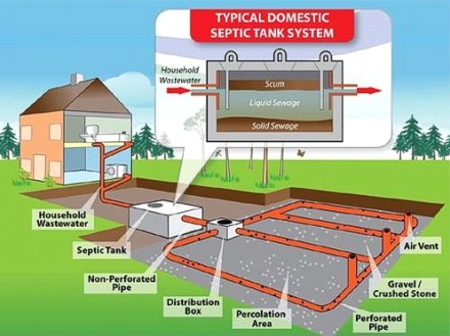
- Evaluation of areas served by on-lot septic systems to identify any current or future environmental or public health concerns.
- Assessment of future development potential and related sewage needs, consistent with the goals and policies of the 2022 Comprehensive Plan and recent zoning updates.
- Review of potential alternatives for sewage management, including on-lot system management, community systems, and possible public sewer service areas.
Lowhill Township has partnered with Keystone Consulting Engineers to complete this work over the next six to twelve months.
Public Participation Is Essential
Public involvement is a required and critical part of the Act 537 process. Residents and businesses will have multiple opportunities to share concerns and provide input through:
Mailed surveys to all Township households and businesses, In the coming weeks, you will receive a SURVEY FORM BY MAIL. This survey is the primary tool for gathering information about existing septic systems and any issues residents and business owners may be experiencing. Your response will help shape the direction of the plan.
Surveys may be returned by:
- Mail to: Attention Keystone Consulting - 5012 Medical Center Circle, Allentown PA 18106
- Drop-off at the Township Building
- Drop-off at Keystone Consulting Engineers to the above address
- Scan and email to: lowhillact537@kceinc.com
There will also be Public Meetings and workshops and opportunities for written comments throughout the process.
Field Verification
Keystone Consulting Engineers will conduct door-to-door surveys on randomly selected properties to verify data.
DEP requires a minimum level of public participation to validate sewage disposal alternatives. The Township strongly encourages full participation—the more information received, the better informed future decisions will be.
Public Meetings & Next Steps
Once the door-to-door survey data is compiled and analyzed, the consultant will present results to the Board of Supervisors in a public forum. Updates will generally occur at regular Board meetings, with Act 537 agenda items posted in advance on the Township website.
Frequently Asked Questions
Do I have to complete the survey?
Participation is voluntary, but strongly encouraged. Bear in mind however, PA DEP requires a meaningful level of public participation for the plan to be considered complete for approval. The more residents who respond, the more accurate and fair the plan will be.
What will the information be used for?
Your responses will help the Township and its engineer understand:
- The age and condition of existing septic systems
- Any past or current sewage problems
- Areas where on-lot systems are working well
- Where future sewage planning may be needed
All information will be summarized—individual households will not be singled out in the plan. However they will be included as an appendix in the final Act 537 plan into DEP.
Will this survey force me to connect to public sewer?
No. Completing the survey does not commit you to any future sewer connection. The Act 537 Plan must evaluate many alternatives—including continued use of on-lot systems, improved management programs, community systems, and possible public sewer—but no decision has been made. If an existing on-lot septic system is malfunctioning and in the event of a future public sewer extension to this area connection may be required.
Will my responses be kept confidential?
Yes. Survey data is used for planning purposes only and will be reported in aggregate form to PA DEP. However they will be included as an appendix in the final Act 537 plan into DEP.
What happens if I don't return the survey?
The Township may have less accurate information about your area, which could affect the alternatives studied. DEP may also require additional outreach if participation is too low. Note that not returning the survey does not preclude a property from being selected at random for a door-to-door field survey.
Can I complete the survey online?
Yes. You can take the survey HERE
Who can I contact with questions?
- Lowhill Township Office: Michael Siegel 610-298-2641
- Keystone Consulting Engineers: Dave Alban 610-395-2978
Myth vs. Fact – Act 537, Sewer Extensions & Costs
MYTH: The survey means the Township is planning to force public sewer on everyone.
FACT: The Act 537 Plan is a planning study only. State law requires the Township to evaluate many options - including continued use of on-lot septic systems, improved maintenance programs, community systems, and possible public sewer in limited areas. No decision to extend sewer has been made.
MYTH: If I complete the survey, I'll be required to connect to sewer later.
FACT: Returning the survey does not obligate any property owner to connect to public sewer or to make changes to their system. The survey simply helps identify existing conditions and potential concerns. However they will be included as an appendix in the final Act 537 plan into DEP.
MYTH: Public sewer is always better than on-lot septic systems.
FACT: Many on-lot systems function safely for decades when properly maintained. DEP requires the Township to consider the most appropriate and cost-effective solution for each area, which may include keeping on-lot systems with improved management rather than building new sewers.
MYTH: The Township can extend sewer without public input.
FACT: Any sewer alternative must go through multiple public meetings, planning commission reviews, and comment periods before adoption. DEP will not approve a plan without documented public participation.
MYTH: Sewer extensions would be paid entirely by the Township.
FACT: If any public sewer area were ever proposed, costs are typically shared among users through connection fees, tapping fees, and user rates. The Act 537 process requires that affordability and financial impact be evaluated before any recommendation is made.
MYTH: My property value will automatically drop if sewer is discussed.
FACT: Planning studies do not change zoning, taxes, or property rights. In some areas, properly planned infrastructure can increase options and property value; in others, maintaining on-lot systems remains the best approach.
MYTH: DEP has already decided what Lowhill must do.
FACT: DEP has required the Township to update an outdated 1966 plan, but the Township—not DEP—develops the local alternatives based on data, costs, environmental factors, and community input.
 Administration